
Understanding Dietary Protein

Updated: Aug 3
Adequate protein is essential for many functions in the body. This article explores the protein sources, functions, building blocks, and how to get the essential amino acids into your diet today. If you have kidney conditions or other health conditions, discuss all dietary changes with your primary care practitioner before starting.
Topics Covered
(Click the hyperlinks below to jump to different topics)
What is dietary protein?
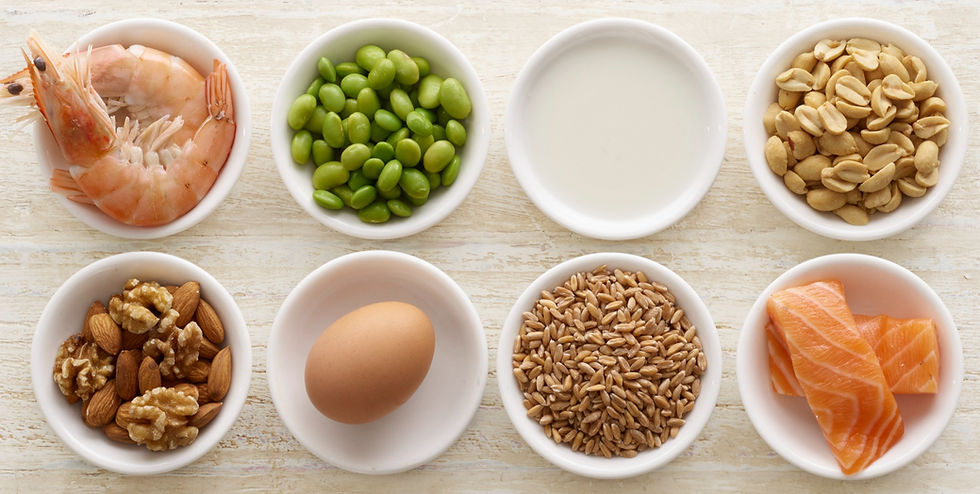
Protein is one of three macronutrients in our food: carbohydrates, fats, and protein. This satiating macronutrient can come from plants (such as tofu, legumes, vegetables, nuts, and seeds) or animals (such as poultry, seafood, beef, pork, dairy, or eggs). Like carbohydrates, protein contains 4 calories per gram. Interestingly, it is the only macronutrient that is rarely used as fuel for the body to make energy but is instead used for supporting the body in different ways.
How is protein used in the body?
When we eat protein-containing foods, they are broken down by stomach acid into building blocks called amino acids (more on this later), then absorbed through the small intestines into the body to be used for many different purposes.
Most people only think of building skeletal muscles when considering protein. While this is an important role of protein, it is used for many other functions such as building enzymes, which act like catalysts for biochemical reactions; stimulating insulin release to regulate blood sugar (1); producing neurotransmitters like serotonin, melatonin, and dopamine; producing functioning immune cell (2); repairing and healing injuries and so much more. Every cell in our body (think trillions here) requires transporters made of protein to move nutrients in and out of each cell, making protein crucial for moving nutrients around in the body.
Protein also offers another unexpected benefit. Have you ever eaten a meal only to find yourself craving carbs or hungry within a couple of hours? Next time this happens, ask yourself, did you have enough protein in your meal? Of the macronutrients, protein is very satiating making it a cornerstone of a balanced diet (dietary fat and fiber also help you feel full) (3). Similarly, because of its satiating quality, eating adequate protein with each meal can be part of a plan to balance blood sugar between meals.
What are amino acids?

There are approximately 20 different amino acids. Think of each of these as a different shape and color of Lego. When the different amino acids (Legos) are stacked together in different combinations, they form different protein structures that can be used for different functions in the body. The body can make most of these, however, 9 amino acids are considered essential because we must get them from our food. The 9 essential amino acids are histidine, isoleucine, leucine, lysine, methionine, threonine, tryptophan, and valine. Seven others are considered conditionally essential because, although our bodies can make them, sometimes they are used up faster than they can be produced. These include arginine, cysteine, glutamine, tyrosine, glycine, proline, and serine. Each of these amino acids are used both to build proteins in the body and serve other functions. For example, leucine helps to grow muscle mass, tryptophan helps build serotonin (a hormone that helps you feel stable, happy, and calm) and tyrosine helps produce dopamine (a hormone that helps you feel pleasure, satisfaction, and motivation). When we eat protein, our bodies break them down into individual amino acids, then rebuild the proteins needed to help the body function.
How do I get all 9 essential amino acids from food into my diet?
Almost all foods contain some amount of protein (stacks of amino acids), even vegetables. For example, a cup of broccoli contains 2.6g of protein! Considering this, it is important to eat a diverse array of foods as each offers a different spectrum of amino acids and nutrients.
Whole animal foods (e.g. poultry, beef, bison, pork, eggs, dairy, etc.) contain all 9 essential amino acids and are therefore considered a complete protein. Most plant foods do not contain all 9 essential amino acids and so are considered incomplete proteins. A serving of animal protein has approximately 20-30g of highly digestible protein while the amount of protein in a serving of plant food varies from 1-28g of protein and tends to be less digestible.

What this means for you, is that if you are aiming to get all your protein from plants, then it is important to combine plant foods carefully, and eat adequate amounts so that you can get enough of all the essential amino acids (protein) each day. You do not have to get all 9 essential amino acids in each meal as long as you get them throughout the day. While hemp and soy (tofu, tempeh, edamame) are complete proteins, other plant foods are close, such as quinoa, amaranth, buckwheat, spirulina, chia seeds, and nutritional yeast. Legumes (beans) tend to have ample amounts of lysine, threonine, and tryptophan but lack adequate methionine. Meanwhile, grains contain methionine but are generally low in lysine. This is why combining grains and legumes is a common practice in vegetarian and vegan meals to achieve all 9 essential amino acids: rice and beans, pita and hummus, and peanut butter and bread. While being mindful of how you combine your foods will allow you to get all 9 amino acids (complete protein) from plant sources, it should be noted that many of these sources contain high amounts of starchy carbohydrates which for some people may have negative effects on metabolic health. Likewise, if you are eating primarily animal protein, it is important to choose sources that are unprocessed and lean to avoid excessive saturated fat, additives, and preservatives (which for some people can affect lipids and gut health). Processed meats are linked to an increased risk of chronic disease (4, 5) and need to be limited for everybody.

Nowadays, protein powders are a popular way to increase your intake of protein. The amino acids in protein powders vary depending on their sources. For example, collagen, although from animals, is not a complete protein because it is missing tryptophan while pea protein is a complete protein even though it is from a plant. Likewise, whey protein is from dairy and tends to contain higher amounts of some important essential amino acids (leucine, isoleucine, and valine, called branched-chain amino acids, which help maintain and build skeletal muscle) (6). Note, that many people are intolerant of dairy and therefore will not benefit from whey protein. Many other protein powders contain combinations of different sources such as bone broth, beef, soy, pumpkin seeds, and others that may or may not provide all the essential amino acids. If you are eating a diversity of protein sources throughout the day, consuming a protein powder that is not a complete protein may be a reasonable choice as part of a balanced diet. Lastly, if you choose to use protein powders as part of a healthy diet, check the nutrition label to make sure there are no unwanted ingredients (e.g. added sugars, weird flavor enhancers, synthetic additives, or preservatives) and that it is from a clean source, free of heavy metals and other toxins (7).
Protein is a key player in building nutritious balanced meals. Using the information provided can help you better understand how this macronutrient contributes to your health. As always, Upstream Wellness is here to help educate you on your health journey. To discover what better nutrition feels like, book a free 20-minute Discover Call at www.UpstreamWellness.net.
Stay tuned for the next article which will provide a practical guide to help you get enough protein in each meal.
This information is for educational purposes only and is not to be used as medical advice. This information does not replace professional medical advice, diagnosis, or treatment from a qualified medical professional. If you have questions about a medical condition, seek advice from your doctor a other qualified medical professional.


